
Chief Educational Troublemaker
Michael Williams
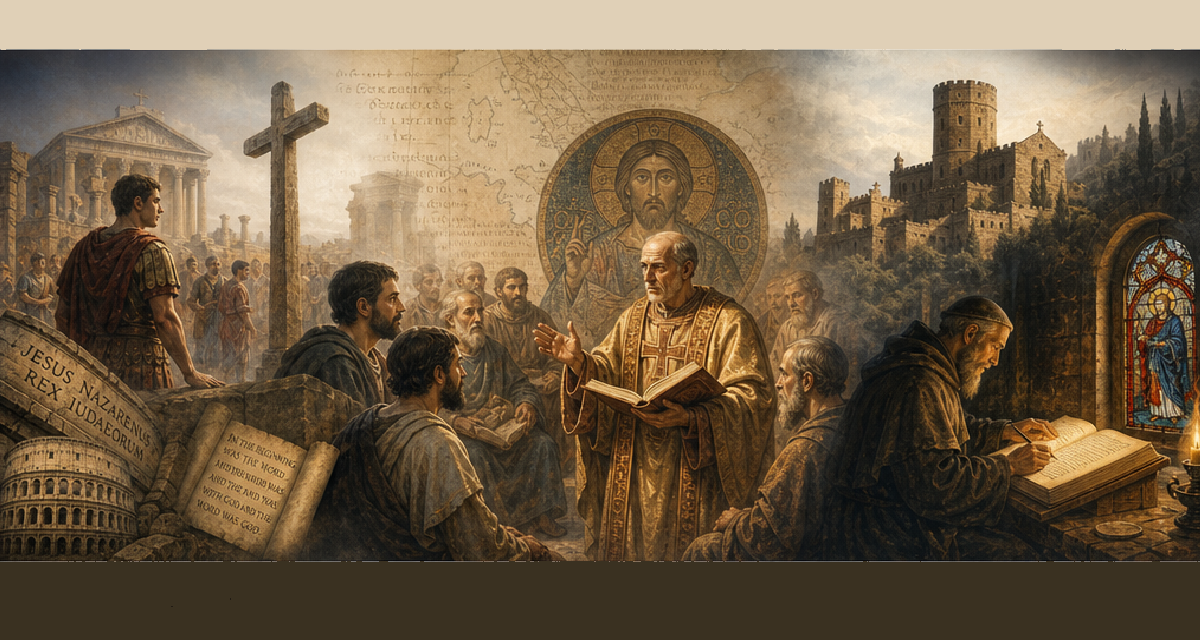
Michael Williams brings a unique combination of academic training, field research, and global educational leadership to the teaching of the New & Old Testament and Church History. His preparation includes graduate‑level theological and ethical study through M.Div. coursework at Talbot Seminary, where he developed a strong foundation in biblical ethics, historical theology, hermeneutics, and the intellectual traditions that shaped Christian thought.
Complementing formal seminary study, Michael completed a seven‑month independent research expedition across Europe and the Middle East, visiting major centers of Christian development including England, Scotland, France, Germany, Rome, Israel, Jerusalem, Greece, and Mount Athos. This immersive journey allowed him to study early Christian movements, monastic traditions, archaeological sites, and Greek language and culture while living minimally and engaging directly with local communities. His travel scholarship provided firsthand exposure to the geography, architecture, and cultural settings that shaped both the early church and the New Testament world.
Michael also completed 3 graduate seminary units at the Institute of Holy Land Studies in Jerusalem, where his coursework focused on archaeology, geography, culture, and the historical context of all major biblical sites. This academic training deepened his understanding of the physical and cultural landscape of Scripture, equipping him to teach the New Testament with a historically grounded, context‑rich perspective.
His firsthand exploration of biblical lands—combined with his theological education—enables Michael to teach Church History and New Testament studies not merely as academic subjects but as lived narratives shaped by geography, culture, and human experience. His work at World Mentoring Academy, where he has spent more than a decade building one of the world’s last fully free MOOC platforms, demonstrates his commitment to accessible, rigorous education. He has developed more than 1,000 courses across ethics, philosophy, and religious studies, giving him extensive experience in curriculum design, learner engagement, and instructional leadership.
Across all his teaching, Michael integrates historical insight with ethical reflection, helping students connect the development of Christian doctrine and institutions with contemporary questions of justice, community, and moral responsibility. His background in biblical ethics, global travel scholarship, and open‑education leadership makes him exceptionally well‑qualified to teach New Testament, Church History, and Historical Theology at the undergraduate, seminary, or continuing‑education level.