Intro to the Modern Middle East

East_Tennese_State_Univ

About This Course

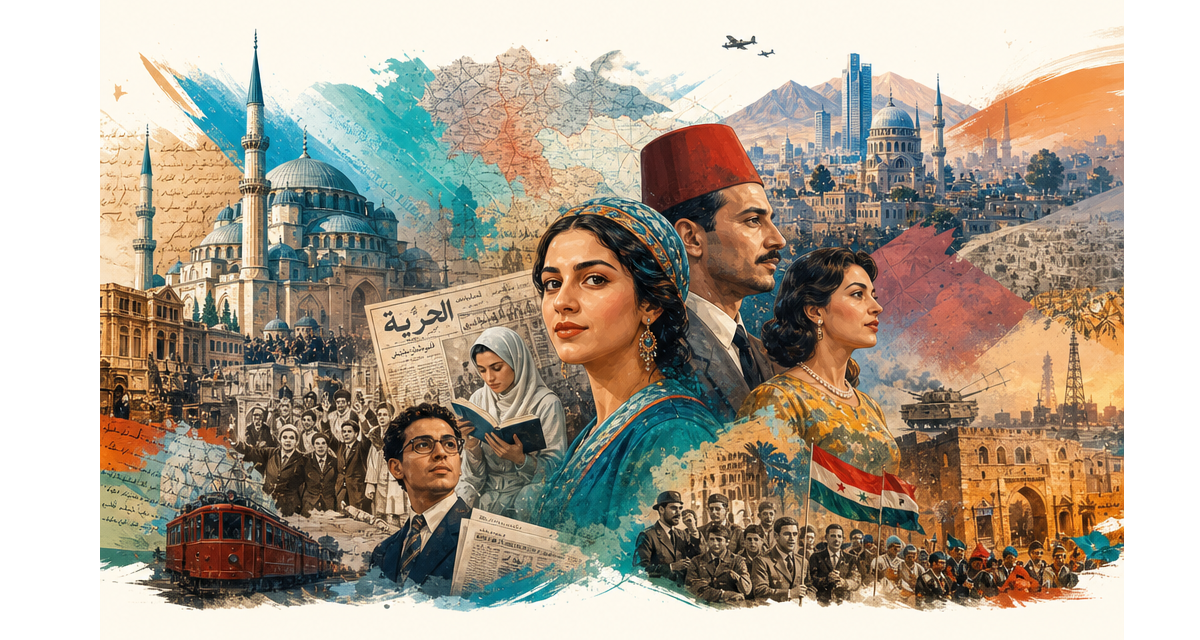
Step into one of the most dynamic, debated, and misunderstood regions of the world. Introduction to the Modern Middle East invites you into a lively, informed, and wide‑ranging conversation about how the modern Middle East came to be—and why its history still shapes global headlines, cultural identities, and political choices today.

We begin in the nineteenth century, when European powers pushed deep into the region, redrawing borders, reshaping economies, and influencing local leadership. Students explore how these encounters—sometimes cooperative, often coercive—set the stage for the transformations that followed. From the Ottoman Empire’s final century to the rise of nationalist movements, you’ll see how Middle Eastern societies responded, resisted, adapted, and reimagined themselves.

The course then moves into the twentieth century, a period of extraordinary upheaval. Western influence expanded through diplomacy, mandates, oil concessions, and military presence. World War I shattered old empires and created new nations; World War II accelerated global realignments and intensified regional struggles for independence. Together, we’ll examine how these global conflicts reshaped the Middle East’s political map and ignited debates that continue today.

But this isn’t just a story of borders and battles. It’s also a story of people—artists, reformers, workers, women, students, and everyday citizens—who navigated rapid social and cultural change between 1900 and 1960. We’ll explore how new ideas about identity, education, religion, gender, and modernity took root, clashed, and evolved. From Cairo cafés to Tehran universities, from Damascus newspapers to Jerusalem marketplaces, the region’s cultural life reveals a vibrant, contested, and creative century.

As we follow the Middle East through the twentieth century, students will engage with the rise of new states, the struggle for self‑determination, the impact of colonial legacies, and the emergence of regional and global conflicts. Each topic opens space for discussion, debate, and critical reflection. Why did certain political movements succeed while others faltered? How did global powers shape local realities? What voices were amplified—and which were silenced?

By the end of the course, you won’t just memorize events; you’ll understand the forces that shaped them. You’ll join a community of learners ready to ask sharper questions, challenge assumptions, and engage thoughtfully with one of the world’s most important regions. This is history that invites conversation—and your voice belongs in it.

This is paragraph 2 of the long course description. Add more paragraphs as needed. Make sure to enclose them in paragraph tags.

Requirements

Add information about the skills and knowledge students need to take this course.

Course Staff

Course Staff Image #1

Staff Member #1

Biography of instructor/staff member #1


Chief Educational Troublemaker

Michael Williams

Michael Williams is the Chief Educational Troublemaker at World Mentoring Academy — a title he earned the hard way: by spending more than a decade poking, prodding, and occasionally drop‑kicking the traditional education system into the future. In 2010, long before “MOOC” became a Silicon Valley buzzword, Michael was building a free global college from a backpack, a stubborn belief in open learning, and whatever Starbucks Wi‑Fi he could borrow. The Orange County Register profiled him as a “homeless by choice educator to the world,” documenting his 12‑hour days assembling university‑level courses from MIT, Yale, NPTEL, and Stanford — all without charging a cent.
While the big platforms eventually traded “open” for “subscription,” Michael never budged. World Mentoring Academy remains one of the last true free MOOCs on Earth, offering more than 1,000 courses without paywalls, upsells, or fine print.
Michael’s LinkedIn essays — including “Harvard & MIT, Follow a Homeless Educator,” “The Future Won’t Wait for Academia,” and “Future of Education May Have Ancient Roots?” — have earned him a reputation as a futurist with calluses, someone who can explain why AI is breaking the job market, why teens are the workforce pipeline no one is using, and why the next education revolution will look more like ancient Athens than a modern lecture hall.
Across every WMA course, Michael appears as your unofficial guide, mentor, instigator, and occasionally your friendly academic arsonist — the guy who hands you the map, the compass, and the confidence to build a future that doesn’t depend on debt, gatekeeping, or waiting for institutions to catch up.
He helps learners find their place in a world that’s changing faster than universities can update their syllabi — and he does it with humor, humanity, and a refusal to accept that opportunity should be rationed.
If education needs a troublemaker, Michael is happy to volunteer.

Frequently Asked Questions

What web browser should I use?

The Open edX platform works best with current versions of Chrome, Edge, Firefox, or Safari.

See our list of supported browsers for the most up-to-date information.

Question #2

Your answer would be displayed here.

Enroll